major dental

Dental Crowns and Bridges in Toongabbie

Restore Damaged or Missing Teeth with Custom Dental Restorations

What Are Dental Crowns and Bridges?

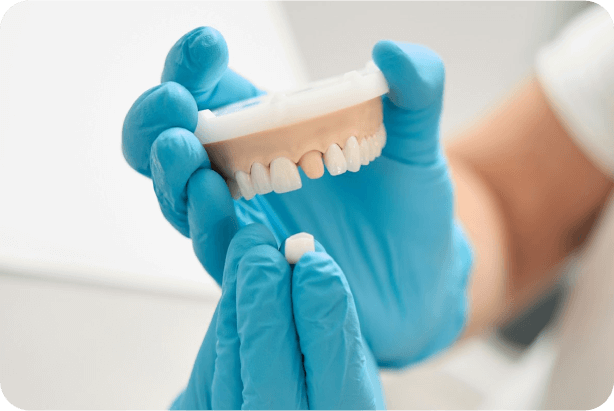
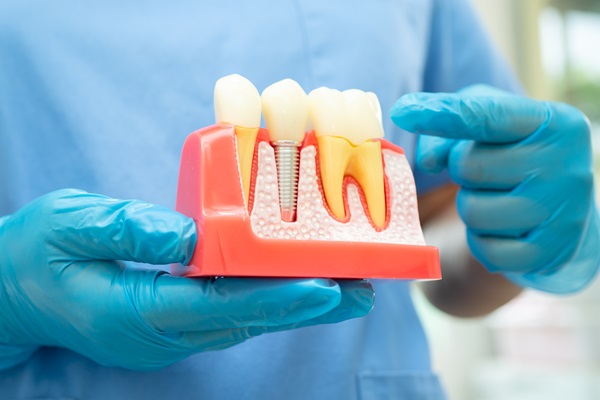
Dental crowns and bridges are restorative dental treatments used to repair damaged teeth or replace one or more missing teeth. A dental crown covers and protects a weakened or damaged tooth, while a dental bridge replaces missing teeth by being supported by adjacent teeth or dental implants, depending on your treatment plan.

Following a comprehensive examination, your dentist will assess your oral health and discuss whether a crown, bridge or another restorative treatment is the most appropriate option for your individual needs.

When Are Crowns or Bridges Recommended?

A dental crown may be recommended for teeth affected by extensive decay, fractures, large fillings or following root canal treatment where additional protection is required. A dental bridge may be considered when one or more teeth are missing and replacement is appropriate to restore function and help maintain the position of surrounding teeth.

Every treatment recommendation is based on your individual oral health, the condition of your remaining teeth and your long-term treatment goals. Your dentist will explain the expected benefits, potential risks and available alternatives before treatment proceeds.

Benefits of Dental Crowns and Bridges

Dental crowns and bridges are designed to restore the function of damaged or missing teeth while supporting your overall oral health. The most appropriate restoration depends on your clinical needs, and your dentist will discuss the available options during your consultation.

  • Restores the function of damaged or weakened teeth.
  • Replaces one or more missing teeth where appropriate.
  • Helps maintain normal chewing and speech function.
  • Custom-made to match the colour and shape of your natural teeth.

Risks, Limitations and Suitability

Dental crowns and bridges are not suitable for every patient. Treatment suitability depends on factors such as the health of your remaining teeth, gums, supporting bone and your overall oral health.

As with any dental treatment, there are potential risks and limitations. These may include temporary sensitivity, wear of the restoration over time, damage to the crown or bridge, decay affecting supporting teeth, or the need for repair or replacement in the future. Good oral hygiene and regular dental examinations are important for maintaining your restoration.

Alternative Treatment Options

Depending on your individual circumstances, alternatives to crowns or bridges may include dental fillings, inlays or onlays, dental implants, removable dentures or monitoring where immediate treatment is not required. Your dentist will explain the advantages and limitations of each option before recommending treatment.

Why Choose Dentist Near Me Toongabbie
for Dental Crowns and Bridges?

Our team provides personalised restorative dental care based on a comprehensive assessment of your oral health. We take the time to understand your concerns, explain your treatment options and develop a plan that supports both the health and function of your smile.

If a crown or bridge is recommended, we’ll explain each stage of treatment, discuss the expected lifespan of the restoration, provide aftercare advice and schedule appropriate review appointments to help maintain your oral health.

Book a Crowns and Bridges Consultation

If you have a damaged tooth, a missing tooth or have been advised that you may benefit from a dental crown or bridge, our team can assess your oral health and discuss the treatment options available.

Book a consultation with Dentist Near Me Toongabbie for a personalised assessment and treatment recommendation based on your individual oral health needs.

Frequently Asked Questions

What is the difference between a dental crown and a dental bridge?

A dental crown covers and protects a damaged tooth, while a dental bridge replaces one or more missing teeth by using neighbouring teeth or dental implants for support. Your dentist will recommend the most appropriate option based on your oral health.

The lifespan of a crown or bridge varies depending on the material used, your oral hygiene, bite forces and regular dental care. Your dentist will provide personalised advice on maintaining your restoration and monitor it during routine examinations.

Local anaesthetic is typically used where required to help improve comfort during treatment. Some patients may experience temporary sensitivity or mild discomfort following the procedure, which generally improves within a short period.

Maintaining good oral hygiene, brushing twice daily, cleaning between your teeth, attending regular dental examinations and following your dentist’s advice can help support the longevity of your restoration.

Not always. Suitability depends on factors including the health of your gums, remaining tooth structure, supporting bone and your overall oral health. Your dentist will perform a comprehensive examination before recommending the most appropriate treatment option.

Not every root-treated tooth requires exactly the same restoration. The recommendation depends on which tooth was treated, how much natural structure remains, the size of existing fillings, cracks and the forces placed on that tooth when you bite. Back teeth often need stronger cuspal coverage because they take greater chewing loads, while some front teeth can be restored differently. The dentist should explain why a crown, onlay or filling is being recommended and how the choice affects fracture risk and long-term maintenance.

A crown covers most or all of the visible portion of a tooth and is usually chosen when the tooth needs substantial structural support or restoration. A veneer is a thinner restoration placed mainly over the front surface and is more commonly used for selected aesthetic changes. The amount of tooth preparation, material and indication are therefore different. A tooth that is heavily filled or cracked may need a crown rather than a veneer, while a relatively healthy front tooth may not justify full crown preparation. The dentist should recommend the least destructive option that can predictably meet the clinical goal.

Yes. The crown material itself does not decay, but the natural tooth at the crown margin can still develop decay if plaque accumulates or the seal is compromised. Gum recession can also expose root surfaces next to an older crown. Brush carefully along the gumline, clean between the teeth and attend regular examinations so the margins can be checked. If a crown becomes loose, develops an odour or bad taste, or the tooth becomes newly sensitive, have it assessed rather than waiting for the crown to fall off. 

Crowns do not have a guaranteed replacement date. How long one lasts depends on the condition of the underlying tooth, crown material, bite forces, grinding or clenching, oral hygiene and decay risk. The edge where the crown meets the natural tooth still needs careful cleaning because decay or gum disease can occur there. A crown should be assessed if it becomes loose, chips, develops a gap, causes a bite change or the tooth underneath becomes painful. Routine dental reviews help identify problems before the crown fails completely. 

Keep the crown if you can find it and contact the dentist for an assessment. Do not use household glue to put it back on. The exposed tooth can be sensitive and may be vulnerable to further damage, and the dentist needs to check why the crown came off before deciding whether it can be recemented or needs replacement. Avoid chewing hard foods on that side until it has been assessed. If the tooth is very painful, fractured, swollen or associated with facial swelling, explain those symptoms when booking so the urgency can be triaged appropriately. 

Anxiety-Free, Comfort-filled Environment

Going to the dentist can be nerve-wracking. It should not be if the clinic is prepped to be soothing for patients. This is what Dentist Near Me wants to offer—a comfortable clinic environment. Our varied services and experience are a given, but a soothing clinic takes much effort. We want you to feel safe and free from anxiety once you enter the clinic. Plus, with heartwarming staff, you are sure to be taken care of.

Fees and Financing

We know how scary dental costs can be. But we’re here to make it easier for you. We accept ZipPay, AfterPay, Smile Right, and HUMM payment plans, and some patients may be eligible for early release of superannuation on compassionate grounds for necessary treatment.

Cover It Up with Dental Crowns & Bridges in Toongabbie

Chew comfortably again. A dental crown or bridge could be an option worth considering. Talk to the dentists at Dentist Near Me Toongabbie about whether a crown or bridge is suitable for you. We’re here to help you care for your teeth and support you in getting back to enjoying your meals. 

Transparent
Pricing — Sydney

Know your treatment
options and fees upfront.

Our 10% Price Beat applies to comparable written quotes (Sydney only), and warranties of up to 10 years are available on selected procedures, subject to terms and conditions.

Transparent
Pricing — Sydney

Know your treatment
options and fees upfront.

Our 10% Price Beat applies to comparable written quotes (Sydney only), and warranties of up to 10 years are available on selected procedures, subject to terms and conditions.