major dental

Root Canal Treatment in Toongabbie

Preserve Your Natural Tooth with Personalised Root Canal Treatment

What Is Root Canal Treatment?

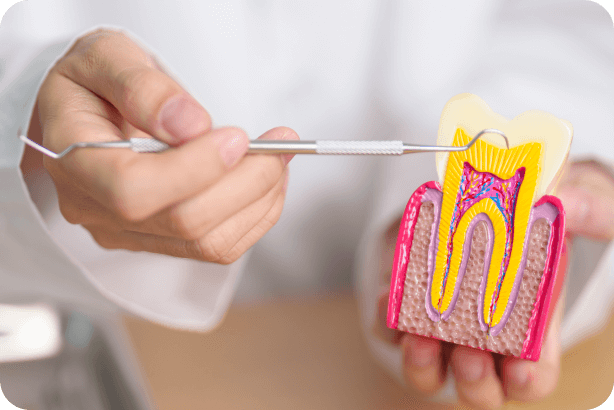
Root canal treatment is a restorative dental procedure used to treat infection or inflammation within the pulp of a tooth. During treatment, the affected pulp is carefully removed, the root canals are cleaned and disinfected, and the tooth is sealed to help preserve its structure and function.

Before recommending root canal treatment, your dentist will perform a comprehensive examination, which may include dental X-rays, to determine whether the tooth can be treated successfully. The expected benefits, potential risks, treatment limitations and available alternatives will be discussed to help you make an informed decision.

When Is Root Canal Treatment Recommended?

Root canal treatment may be recommended when the pulp of a tooth has become inflamed or infected due to deep tooth decay, trauma, repeated dental procedures, cracks or fractures. Some patients experience symptoms such as persistent tooth pain, prolonged sensitivity to hot or cold, swelling or discomfort when biting, while others may have few or no noticeable symptoms.

Every recommendation is based on your individual oral health needs. If root canal treatment is not appropriate, your dentist will discuss other suitable treatment options.

Benefits of Root Canal Treatment

When clinically appropriate, root canal treatment may allow a natural tooth to be retained rather than removed. Preserving your natural tooth can help maintain normal chewing function and reduce the need for more extensive restorative treatment.

  • May preserve a natural tooth affected by infection or inflammation.
  • Helps remove infected or inflamed pulp tissue from within the tooth.
  • Supports normal chewing function by retaining the natural tooth where appropriate.
  • May reduce the need for tooth extraction when the tooth is suitable for restoration.

Risks, Limitations and Suitability

Root canal treatment is not suitable for every tooth. The success of treatment depends on factors such as the extent of infection, remaining tooth structure, root anatomy and your overall oral health.

As with any dental procedure, there are potential risks and limitations, including temporary discomfort, reinfection, fracture of the treated tooth or the need for additional treatment. In some cases, root canal treatment may not be successful, and extraction or other treatment may be recommended. Your dentist will explain these considerations before treatment proceeds.

Alternative Treatment Options

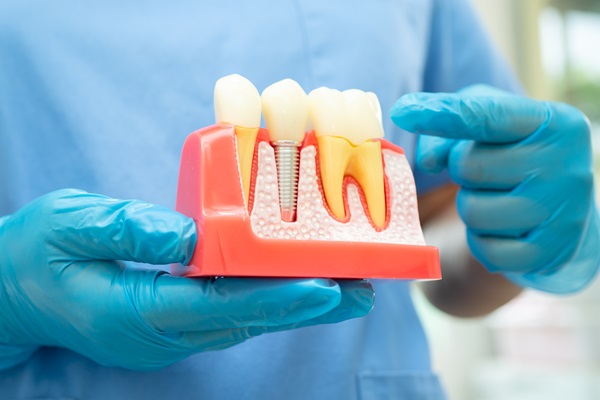
Depending on the condition of the tooth, alternatives to root canal treatment may include monitoring, restorative treatment where appropriate, or tooth extraction followed by replacement options such as a dental implant, bridge or denture. Your dentist will discuss the advantages and limitations of each option based on your individual circumstances.

Why Choose Dentist Near Me Toongabbie for Root Canal Treatment?

Our team provides personalised care based on a thorough assessment of your oral health and the condition of the affected tooth. Before recommending treatment, we’ll explain your diagnosis, discuss all appropriate treatment options and answer any questions you may have.

If root canal treatment is recommended, we’ll guide you through each stage of the procedure, explain the expected recovery process and provide aftercare instructions to support healing. Where appropriate, we’ll also discuss whether a dental crown is recommended to help protect the treated tooth.

Book a Root Canal Consultation

If you’re experiencing persistent tooth pain, prolonged sensitivity, swelling or have been advised that you may need root canal treatment, our team can assess your oral health and discuss the treatment options available.

Book a consultation with Dentist Near Me Toongabbie for a personalised assessment and treatment recommendation based on your individual oral health needs.

Frequently Asked Questions

How do I know if I need root canal treatment?

Only a clinical examination can determine whether root canal treatment is appropriate. Your dentist will examine the affected tooth, discuss your symptoms and may recommend dental X-rays before providing a treatment recommendation.

Root canal treatment is typically performed using local anaesthetic to help improve comfort during the procedure. Some patients experience temporary tenderness after treatment, which generally improves over the following few days. Your dentist will provide aftercare advice based on your individual needs.

Depending on the location of the tooth and the amount of remaining tooth structure, your dentist may recommend placing a dental crown after root canal treatment to help protect the tooth and restore its function.

Most patients can return to their usual daily activities shortly after treatment. Mild sensitivity or tenderness may occur for a few days. Your dentist will provide personalised instructions on caring for the treated tooth during the healing period.

If root canal treatment is unlikely to achieve a predictable outcome, your dentist will discuss alternative options, which may include tooth extraction and appropriate tooth replacement options where clinically indicated.

Usually not on their own. Root canal treatment addresses infected or irreversibly inflamed tissue inside the tooth by cleaning and sealing the root canal system. Antibiotics can be important when a dental infection is spreading or there are systemic signs, but they do not remove the diseased pulp or repair the source inside the tooth. In some situations the definitive treatment may instead be extraction. If pain improves after antibiotics, the underlying dental problem can still remain, so complete the recommended dental review rather than assuming the tooth has been cured.

If the pulp is irreversibly inflamed or infected, delaying definitive treatment can allow symptoms or infection to progress and may reduce the chance of keeping the tooth. Pain can sometimes settle temporarily even though the problem remains. The tooth may later become painful to bite, develop swelling or form an abscess. In a severely damaged tooth, further fracture or decay can also make restoration more difficult. If you are delaying because of cost or time, ask whether the treatment can be staged safely and what warning signs should prompt urgent care rather than simply waiting until the tooth becomes unbearable.

A root-treated tooth no longer has living pulp tissue inside it, but the tissues around the root still have nerves that sense pressure and biting. After the procedure there can be temporary tenderness as the surrounding tissues settle, particularly if the tooth was painful beforehand. Once healed and properly restored, many people use the tooth normally. A new or increasing ache, swelling, a bad taste or pain on biting after the expected recovery period should be reviewed because root-treated teeth can still develop cracks, restoration problems or persistent infection.

Success is assessed over time rather than by pain alone. The dentist considers whether symptoms have resolved, whether the tooth is comfortable and functional, the condition of the final restoration and how the tissues around the root appear on follow-up X-rays when imaging is indicated. Bone changes associated with a previous infection can take time to heal. A tooth that feels fine can still need review, and a tooth that is temporarily tender soon after treatment is not automatically a failure. Keep the recommended recall appointments so the tooth and its restoration can be monitored together.

The tooth is normally numbed with local anaesthetic before root canal treatment, so the goal is to treat the infected or inflamed tissue without sharp pain during the procedure. A badly inflamed tooth can sometimes be harder to numb, so let the dentist know immediately if you feel pain. The tooth may feel tender when biting for a period after treatment. Increasing swelling, fever or severe pain needs review. Root canal treatment is usually recommended when the internal pulp is irreversibly inflamed or infected and the tooth is considered restorable.

A root canal may be completed in one appointment or may require several visits. The number depends on which tooth is involved, how many canals it has, the complexity of the anatomy, whether there is active infection, whether the tooth has been treated before and how it responds between visits. Temporary material may be used until the root canal is complete. The final step is restoring and protecting the tooth; depending on how much structure remains, the dentist may recommend a filling, onlay or crown after root canal treatment. 

Payment Options

If you are a little tight on funds, we can help you with that. Our team will work with you to find a payment plan that fits your needs. Check out our flexible options—Supercare, ZipPay, AfterPay, Smile Right, and HUMM.

Dental tool and jaw x-ray. Showing wisdom tooth

Signs You Need Your Wisdom Teeth Removed

Read More

female dentist in mask standing near coworker with crossed arms, affordable dental clinic

Affordable Dentist in Toongabbie: Your Complete Guide to Saving on Dental Care

Read More

Transparent aligners and storage case box. Invisible braces. Clear teeth straighteners. Plastic bracers. Invisalign

Invisalign Cost in Australia: What to Expect and How to Pay

Read More

Targeting the Root Cause
of Your Toothache

Painful toothaches are such a hassle to go through. So, when you feel like your tooth has a secret, a skilled dentist is what you (and your tooth) can trust. Have a root canal treatment at Dentist Near Me Toongabbie!

10% Price Beat (Sydney)

+ Up to 10-Year Warranties!

Know your treatment options and fees upfront.

We offer transparent pricing, a 10% Price Beat Guarantee on valid written plans (Sydney only), and warranties up to 10 years on selected procedures.

10%

Price Beat (Sydney)

+ Up to 10-Year Warranties!

Know your treatment options and fees upfront.

We offer transparent pricing, a 10% Price Beat Guarantee on valid written plans (Sydney only), and warranties up to 10 years on selected procedures.